Suppose you are looking to install an elevator in your building. You may have come across the term machine room less elevator. But what exactly is a machine room-less elevator? In this article, we'll delve into the concept, how they work, and the advantages they offer. We'll also discuss the types of buildings suitable for machine room-less elevators.
What is MRL Elevator?
A machine room-less elevator, also known as an MRL elevator, is a type of elevator that does not need a separate room for machinery. Machine room-less elevators use a traction system, allowing the machinery to be within the hoist-way or the elevator car shaft. It offers a lot of building design and layout flexibility since it does not need a machine room.
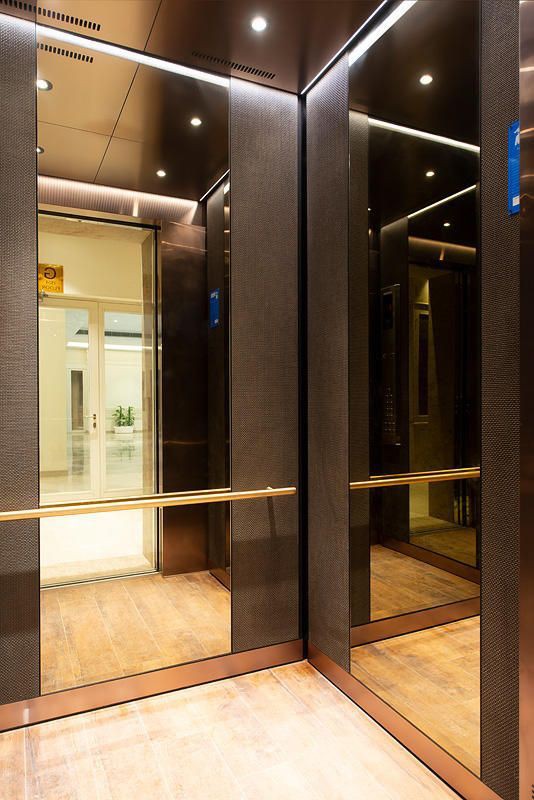
How Does Machine Room Less Elevator Work?
Machine room-less elevators use a traction system to lift and lower the elevator car. This system consists of a motor, gearbox, and ropes or belts. The motor generates power to turn the gearbox, which drives the ropes or belts that lift the car. The ropes or belts attach the car and counterweight to balance the weight of the car and passengers. The critical components of a machine room-less elevator include the hoist-way, car, and controls. The hoist-way is the shaft that contains the elevator car and is made of steel or concrete. The car is the enclosure that carries the passengers, and the controls are the systems that regulate the operation of the elevator. In various applications, you can use it for passenger, freight, and service elevators.
What Are The Advantages of Machine Room-Less Elevators?
Some of the main benefits include the following:
Cost-Effectiveness
Machine room-less elevators are more cost-effective to install. This system can make elevators more attractive if you want to save on construction costs.
Building Design Flexibility
Machine room-less elevators have a smaller footprint. The machinery is within the hoist-way rather than in a separate room. This is beneficial in buildings with limited space or unconventional layouts.
Energy Efficiency
Machine room-less elevators are more energy efficient. This efficiency is due to advanced motors and control systems.
Longer Lifespan and Lower Maintenance Costs
Machine room-less elevators have a higher upfront cost. But they tend to have lower ongoing maintenance costs and a longer lifespan. This lifespan makes them a more cost-effective option in the long run.
What Is Best Suitable For Machine Roomless Elevators?
Whether to use a machine room or machine roomless elevator depends on several factors, including the height of the building, the size of the shaft space, and the expected passenger traffic. Machine room-less elevators are typically more space-efficient than elevators with a dedicated machine room, making them a good choice for low to mid-rise buildings.
What Is The Main Difference Between Machine Room-Less Elevator and Machine Room Elevator?
Machine room elevators need a machine room for the machinery that operates the elevator. The room is above or next to the hoist-way. It contains the motors, gears, and other mechanical components that power the elevator. Here are the differences between machine room-less elevators and machine room elevators:
Space Requirements
Machine room-less elevators do not need a separate machine room. They can be installed in buildings with limited space. In contrast, machine room elevators need a separate machine room, which can take up valuable space in a building.
Installation Costs
Machine room-less elevators have lower installation costs than machine room elevators. They do not need the construction of a separate machine room.
Energy Efficiency
Machine room-less elevators tend to be more energy efficient than machine room elevators. The machinery is closer to the hoist-way and does not need long power cables to connect to the elevator.
Maintenance
Machine room-less elevators may need more frequent maintenance than machine room elevators. This maintenance is because the machinery is in the hoist-way. It is more exposed to dust and other environmental factors.
Noise
The noise of machine-room-less elevators is louder than that of machine-room elevators.
Comfort
The comfort of machine-room-less elevators is not as good as that of machine-room elevators. The choice between a machine room-less elevator and an MR elevator will depend on your needs and constraints. Machine room-less elevators are a good choice for limited space or where installation costs are a concern.
Lifespan
The hoisting ropes and belts for MRL elevators have been shown to last approximately five years, while traditional larger hoisting ropes can last between eight and 10 years.
User comfort
MRL elevators provide a smoother and quieter ride.
MRL elevators allow for more flexibility in building design.
Conclusion
To summarize, Machine room-less elevators are a cost-effective and efficient choice for modern buildings. They do not need a separate machine room, have a smaller carbon footprint, and offer a smooth and quiet ride. Hoist Elevators is a reliable supplier of MRL elevators and can assist with installing and maintaining your elevator. Are you looking to know more about MRL elevators? How can they benefit your building? Contact Us for more information.